

Small Tea Growers: Registration and Selling Leaf
Small tea growers on family hills around Sylhet's estates sell green leaf to factories and deal with the Tea Board. This note explains their status under the Tea Act 2016, registration, leaf sale terms, land issues and the value of working together.
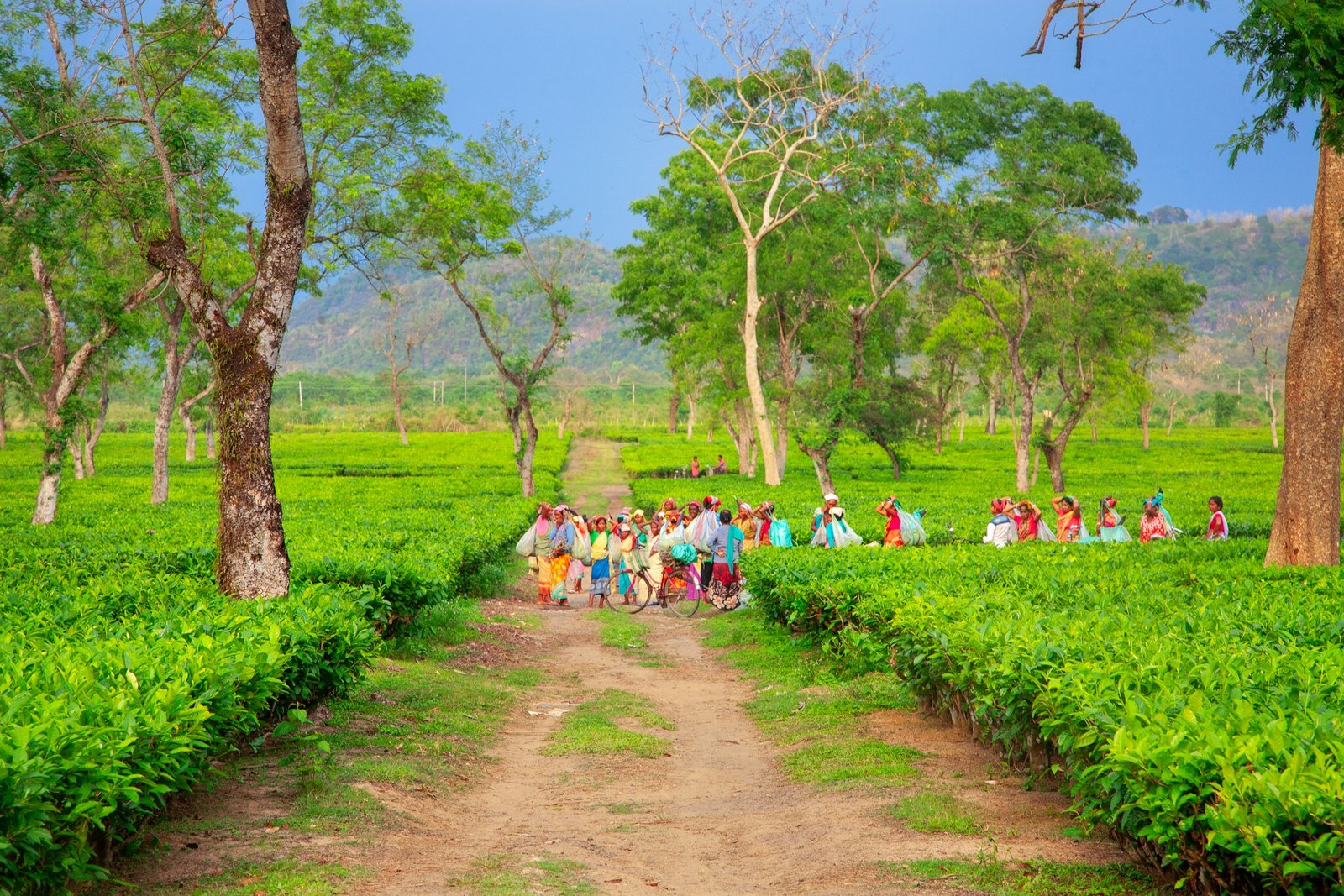
Key takeaways
- The Tea Act 2016 recognises small-holding gardens owned by individuals, sized by rules.
- The Tea Board registers producers and supports cooperative activity among small-holding growers.
- Tea may be manufactured only in a registered factory, so most growers sell green leaf.
- Written leaf supply terms on weighing, deductions and payment prevent most disputes.
- The 2026 Land Use Act treats gardens as agricultural land and restricts non-farm structures.
Small tea growers: the legal position in brief
Small tea growers are individuals who grow tea on their own modest holdings rather than on a large estate, and in Bangladesh they occupy a distinct place in the Tea Act 2016. The Act defines a "small-holding garden" (ক্ষুদ্রায়তন বাগান) as a tea garden, other than a full estate garden, owned by an individual and of a size prescribed by rules. Small tea growers deal with the Bangladesh Tea Board, which registers and licenses tea producers, can give them planting directions and supports cooperative activity among them.
Because the Act allows tea to be manufactured only in a registered factory, most small tea growers sell green leaf to factories rather than making tea themselves. The terms on which they sell that leaf, and how they are paid, are where most legal problems arise.

Small-holding tea has grown fastest in the northern districts and the hill tracts, but there are small growers in the Sylhet division too, on homestead hills (tilas) and family land around established estates in Moulvibazar, Habiganj and Sylhet. Diaspora families sometimes ask whether planting tea on inherited hill land is a sensible investment. This note explains registration, selling leaf, the land issues and how to protect yourself in dealings with factories.
Registration and the Tea Board's role
Section 7 of the Tea Act sets out the Tea Board's functions. They include registering gardens and factories; issuing licences to garden owners, tea manufacturers, exporters, blenders, bidders, brokers, tea waste sellers and wholesale and retail traders; providing assistance to increase cooperative activity among small-holding producers; and promoting research and training. In practice, small tea growers who want access to Board support, extension advice, planting material programmes and recognition by factories need to be registered with the Board in the way it currently requires.
| Issue | Tea Act provision | What it means for small tea growers |
|---|---|---|
| Status as a small-holding garden | Section 2 definition; size set by rules | Check that your holding fits the prescribed size and is owned by you as an individual |
| Registration and licensing | Section 7 (Board functions) | Register with the Board; keep the certificate and land documents together |
| Cooperative support | Section 7 (assistance for cooperative activity among small-holding producers) | Groups of growers can organise collection, transport and bargaining |
| Planting directions | Section 16 (applies to small-holding owners as well as estates; administrative fine of Tk 5,000 per acre per year for non-compliance, with appeal within 30 days) | Respond to any Board direction and keep evidence of compliance |
| Manufacture only in a registered factory | Section 25 | You cannot lawfully process leaf into made tea for sale unless in a registered factory |
| Sales through auction | Section 20 (applies to small-holding gardens too; direct sale or export of made tea needs Board permission) | Relevant if your group operates its own factory |
The Board also has powers to require information and inspect premises (section 27). Keep simple records: area planted, date of planting, plucking rounds, leaf sold, buyer and price. Records like these also help if you later apply for credit, sell the land, or need to show that the holding has been actively cultivated. A notebook kept consistently is better than nothing, and a simple spreadsheet maintained by a family member, even one living abroad, is better still.
Selling green leaf: contracts, weighing and payment
For most small tea growers the commercial relationship that matters is with a bought-leaf factory or an estate factory that buys outside leaf. Disputes typically involve the price per kilogram, deductions for "quality" or moisture, the accuracy of weighing, delays in collection that cause leaf to spoil, and late payment. The Tea Board has, at times, been involved in setting or monitoring green leaf prices; check the current position with the Board's regional office before agreeing terms.
A written leaf supply agreement, even a short one, helps. It should cover:
- Quality standard. What counts as acceptable leaf (for example, the plucking standard) and how disputes about quality are resolved on the spot.
- Weighing. Where leaf is weighed, using which scales, and the grower's right to witness weighing and receive a slip.
- Deductions. A fixed, transparent basis for any deduction, rather than an arbitrary percentage decided by the factory.
- Price. How the price is set and adjusted, and whether it follows any Board-announced rate.
- Collection. Collection points and times, and who bears the loss if collection fails.
- Payment. Payment period, method (bank or mobile financial service rather than cash) and interest on late payment.
- Exclusivity. Whether you must sell all leaf to that factory, and how you can end the arrangement.
Keep every weighing slip and payment record, and ask for payment to a bank account or mobile wallet in your name. When a factory delays payment for several months, those slips are the evidence on which any claim, complaint or negotiated settlement will rest.
Land questions for small tea growers
Tea planted on a family plot raises the same title questions as any other land use. The grower should hold clear title: a khatian (record of rights) in the current survey, mutation (namjari) in his or her name, and land development tax receipts. Many Sylhet hill plots are held jointly by heirs; planting tea on undivided land without co-sharers' agreement invites disputes about who owns the bushes and the leaf income. A written family arrangement, or partition, should come first.
Land classification also matters after 2026. The Land Use Control and Agricultural Land Protection Act 2026 (Act No. 50 of 2026) treats gardens (বাগান), horticulture and similar cultivated land as agricultural land, restricts conversion of agricultural land to non-agricultural uses and requires permission for structures such as houses and warehouses on one's own agricultural land. Planting tea on agricultural land is an agricultural use, but building a processing shed, a road or housing on it may need permission. Hill and tila soil cutting is an offence under that Act too, so terracing or levelling a slope for planting should be planned carefully and, where in doubt, discussed with the upazila land office first. The same Act lists damage to water bodies, wetlands, hills, tilas and forests among its offences.
Growers who lease land from others, or let their own land to a tea entrepreneur, should use a written, and where required registered, lease. See our note on orchard and plantation land leases for the points to cover.
When a factory does not pay
Late payment for leaf is the complaint we hear most often from growers. The legal position is straightforward even if enforcement is slow: leaf delivered and accepted under an agreement creates a debt, and an unpaid grower can claim the price under the Contract Act 1872 and the Sale of Goods Act 1930. The practical steps matter more than the theory.
- Reconcile the account. Add up weighing slips and payments, and send the factory a written statement of the balance.
- Talk collectively. Where several growers are owed money by the same factory, a joint approach, through a grower group or cooperative, carries more weight.
- Involve the Tea Board's regional office. The Board has an interest in the health of the supply chain and may be able to facilitate a solution.
- Send a formal demand. A lawyer's notice setting out the debt and a deadline often prompts a payment plan.
- Consider mediation or a claim. Court-annexed mediation or a money suit are the last steps; small claims may be more economical through negotiated settlement.
If the factory paid by cheque and the cheque was dishonoured, there may be a separate route under the Negotiable Instruments Act 1881, which has strict notice deadlines. Do not let those time limits pass while negotiating.
Is tea a good use of family hill land?
Families abroad sometimes see tea as a low-maintenance way to make inherited land productive. It is not low-maintenance. Tea bushes take several years to reach good yields, need regular plucking rounds through the season, fertiliser, pruning and pest control, and depend on a reliable buyer within reach of the garden, since green leaf spoils quickly. The land must suit tea, with good drainage and the right soil. Before committing, take agronomic advice, identify the buying factory, cost the first five years realistically and put management arrangements with whoever runs the plot on the ground into writing. For some plots, fruit trees, timber or a lease to a neighbouring grower will be more suitable.
Working together: cooperatives and grower groups
Individually, small tea growers have little bargaining power against a factory. Collectively they have more. The Tea Act recognises the value of cooperative activity, and groups of growers commonly organise shared collection points, transport, bulk purchase of fertiliser and joint negotiation of leaf prices. A group can be informal, but a registered cooperative society or company gives it legal personality, a bank account and the ability to sign contracts. Groups considering their own factory must meet factory registration and licensing requirements under the Tea Act and environmental and other permissions, which is a substantial step.
A registered group should adopt simple rules: how members join and leave, how leaf is pooled and graded, how sale proceeds are shared and recorded, who signs contracts and cheques, and how disputes between members are resolved. Annual accounts shared with all members keep trust high. Where members include relatives living abroad who own land but do not farm it, the rules should say how their share of income is calculated and paid.
Illustration: a family plot near Kamalganj
Illustration (hypothetical): Two sisters, one living in Tower Hamlets, inherit a hilly plot near Kamalganj in Moulvibazar from their father. A cousin who manages it proposes planting tea and selling leaf to a nearby estate factory. Before planting, the sisters complete mutation into their names, sign a written management agreement with the cousin setting out who pays for planting, how leaf income is shared and how the arrangement ends, and register the holding with the Tea Board.
The cousin negotiates a short leaf supply agreement with the factory covering weighing, deductions and payment into a bank account in the sisters' names. Three years later, when the factory falls behind on payments, the weighing slips and the written agreement allow the sisters to recover most of the arrears through negotiation rather than litigation.
How TRW & Co helps small tea growers
We advise small tea growers, grower groups and families with land suitable for tea on registration questions, land title and leases, leaf supply agreements, cooperative structures and payment disputes with factories. Related pages: Tea Act 2016 and Tea Board licensing, agribusiness contracts and our note on contract farming agreements. You can reach our Sylhet office at Surma Tower, opposite the Judge Court, or instruct us from abroad by email at info@trw.co. Contact us to review your arrangements.
Frequently asked questions
Do small tea growers have to register with the Tea Board?
The Tea Board's functions include registering gardens and licensing garden owners, and registration is generally needed to be recognised as a tea producer and access Board programmes. Check the Board's current registration requirements and forms with its regional office before planting at scale.
Can I make my own tea from my leaf and sell it?
Section 25 of the Tea Act 2016 prohibits manufacturing tea except in a registered factory, and storing or selling tea made elsewhere is also restricted. Small-scale processing for sale therefore requires factory registration and other permissions.
Who sets the price of green leaf?
Prices are usually agreed with the buying factory, and the Tea Board has at times been involved in setting or monitoring green leaf prices. Check the current position with the Board and put agreed pricing and deduction rules in writing.
My land is shared with my brothers. Can I plant tea on it?
You can plant on land you own, but on undivided joint land you should first agree with co-sharers in writing or partition the land. Otherwise disputes about the bushes and the leaf income are likely.
Do I need permission to build a leaf shed on my tea land?
Possibly. The Land Use Control and Agricultural Land Protection Act 2026 treats garden land as agricultural land and requires permission for structures on agricultural land, with removal orders for unauthorised construction. Check with the upazila land office before building.
Sources
General information only, not legal advice. References to statutes, courts and authorities describe published law and practice at the date shown.
 Tea and agribusiness
Flood Damage and Crop Losses: Insurance and Contracts
Floods in the haors can wipe out a season in days, but crop losses do not fall only on the grower. Insurance policies, supply contracts, barga… 9 min read
 Tea and agribusiness
Who Owns Tea Estate Land in Sylhet?
Most tea estate land in Sylhet, Moulvibazar and Habiganj belongs to the Government and is leased to the companies that run the gardens. Understanding that structure… 8 min read
 Tea and agribusiness
Tea Garden Land Conversion: What Is Not Allowed
Turning part of a tea estate into housing, a resort, a fishery or a brickfield is restricted by the lease, the Tea Act 2016 and, since… 8 min read